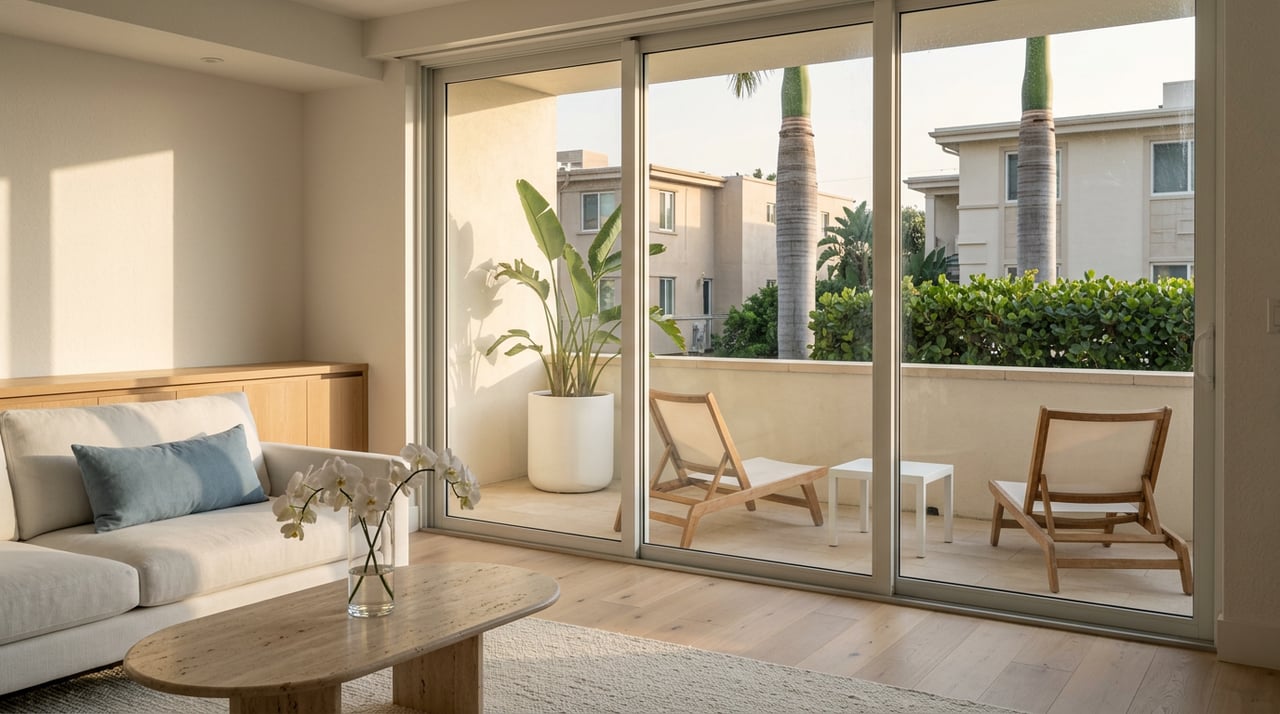
Dreaming of a Florida condo you can lock, leave, and love coming back to? In West Palm Beach, you can find that low-maintenance lifestyle with sun, water views, and easy access to dining and culture. The key is choosing the right building and understanding how inspections, reserves, insurance, and rental rules affect your ownership. This guide walks you through the best condo settings, the hidden costs to plan for, and a step-by-step due diligence checklist so you can buy with confidence. Let’s dive in.
Why West Palm Beach fits lock-and-go
You get a vibrant city scene with quick access to beaches, the Intracoastal, and Palm Beach Island. Recent market snapshots show the city’s median sale price in the low to mid $500Ks, with a wide range from entry-level pieds-à-terre to luxury waterfront towers. You will see more variation between buildings than between neighborhoods, so focus on building health and reserves as much as location. You can scan a current snapshot on the West Palm Beach market page for broad context before you start touring (West Palm Beach market overview).
If walkability matters, downtown delivers. If boating access is your priority, the Intracoastal and nearby canal neighborhoods are compelling. Both settings can work well for frequent travelers when the building has the right systems, reserves, and management.
Choose your setting
Downtown and The Square
Downtown West Palm Beach and The Square (Clematis and Rosemary Square) offer the city’s most walkable lifestyle. Many addresses score high for walkability and give you short strolls to restaurants, shops, the waterfront promenade, and Brightline. Towers here often include front-desk staff, valet, secure parking, and fitness centers that make lock-and-leave living simple (downtown neighborhood overview).
Typical units range from compact one-bedrooms to larger corner or penthouse homes. HOA fees vary based on age, amenities, and staffing levels, so compare buildings carefully if monthly costs are a priority.
Intracoastal and waterfront corridors
Waterfront living brings views and access that many buyers want for a second home. You will find buildings and canal areas with potential dockage, but prices and ownership costs reflect the setting. If boating is the goal, verify dock depth, seawall condition, permits, and marina rules because these details can affect both usability and budget (waterfront guide).
Waterfront buildings can be very lock-and-go friendly when they have strong reserves and on-site management. Without that, deferred seawall or dock work can lead to sizable special assessments, so your due diligence here matters.
The real cost: HOA dues and assessments
HOA dues are a major part of condo ownership in South Florida. Research shows HOA prevalence and median dues have risen nationally, and the Miami–Fort Lauderdale–West Palm Beach metro stands out for higher median condo HOA dues. Treat monthly dues and any pending or recent assessments as essential decision points, not footnotes (HOA dues trend report).
What drives dues: staffing levels, security, reserves, insurance, utilities, and amenities. A higher-fee building can be worth it if it funds structural reserves properly and includes robust services. A low-fee building can be risky if reserves are thin.
Inspections and reserves you must verify
Florida now requires structural milestone inspections for buildings that are three stories or more. The first milestone is due when a building hits 30 years old, or 25 years if it sits within 3 miles of the coastline, then every 10 years after. Phase 1 is a visual review. If an engineer finds substantial deterioration, a Phase 2 evaluation follows. Ask if the building completed its milestone inspection and whether any Phase 2 work is pending or funded (Florida milestone statute).
Many buildings must also complete a Structural Integrity Reserve Study, known as a SIRS. This study focuses on critical components such as the roof, load-bearing elements, fire systems, plumbing, electrical, waterproofing, exterior paint, and windows and doors. SIRS reports come with funding schedules, and boards generally cannot waive required reserves for these items. A recent SIRS with major needs often signals higher dues, a special assessment, or an association loan (SIRS overview).
Florida’s HB 913 refined several rules, expanded certain disclosures, and clarified online record and reporting duties for associations. Buyers should expect clearer access to inspection summaries and SIRS information. Missing or incomplete inspection and reserve documentation is a red flag (HB 913 bill text).
Practical takeaway: Ask for the inspector’s milestone summary, the SIRS, current reserve balances, and the plan to fund required work. If there is Phase 2 work ordered or large SIRS items coming due, expect either an assessment, a loan, or both.
Insurance, flood, and storm readiness
Palm Beach County adopted updated FEMA flood maps that took effect on December 20, 2024. Many parcels moved into higher-risk zones. If your building sits in a Special Flood Hazard Area, your lender will require flood coverage. Confirm the building’s flood insurance for common elements and obtain an HO-6 policy for your unit that includes loss-assessment coverage. Note that new NFIP policies have a typical 30-day waiting period, so plan ahead for closing and storm season (Palm Beach County flood map update).
Ask for the association’s master insurance declarations, including wind and hurricane deductibles. These deductibles can be a percentage of insured value and may be charged to owners after a covered loss. Request details on prior claims or litigation and how the board plans to handle any deductible shortfalls.
For a true lock-and-go experience, confirm building-level storm readiness:
- Impact-rated windows and doors or functional shutters
- Emergency power strategy for common areas and elevators
- Vendor relationships for rapid post-storm inspections and repairs
- Clear owner communication protocols during storm events
Buildings with explicit storm plans and vetted contractors make it easier to travel without worry.
Renting while you are away
If you plan to rent your condo seasonally, verify two layers of rules. First, confirm West Palm Beach’s licensing requirements, such as a local Business Tax Receipt and a Certificate of Use for transient rentals, and check the permitted rental terms for your address. City enforcement and state preemption rules interact in specific ways, so verify the current standards before you list your place (West Palm Beach Business Tax).
Second, read your condominium declaration and rules for leasing restrictions, rental minimums, and caps on the number of leased units. Many buildings limit rental duration or frequency. Operating outside city or association rules can lead to fines and enforcement actions. For a practical overview of local requirements and common pitfalls, see this summary of short-term rental rules in West Palm Beach (short-term rental guidance).
Amenities that simplify lock-and-go
Look for features and staffing that reduce risk and make travel easy:
- 24/7 front desk or doorman with controlled entry and CCTV
- On-site or contracted management that can perform periodic unit checks
- Secure package room or lockers for deliveries
- On-site maintenance for quick response to leaks or HVAC issues
- Robust emergency plan and vendor roster for storms
- Assigned covered parking and clear guest parking policies
- Lockable interior storage and smart thermostat capability
- For waterfront buildings, clarity on slips, permits, and seawall condition
These operational details matter as much as the pool or the view. They are what let you lock the door and go.
A simple due diligence checklist
Request these items before you remove contingencies:
Milestone inspection documents. Ask for the inspector-prepared summary and any Phase 2 reports, plus board minutes outlining the response plan (milestone statute).
SIRS and reserve plan. Review the current SIRS, the association’s reserve balance, and the funding schedule. Ask if work will be paid by a special assessment, a loan, or a line of credit (SIRS guidance).
Budget, financials, and insurance. Obtain the current budget, the last two years of financials, and the association’s insurance declarations, including wind and flood coverage and deductibles (HB 913 bill text).
Board minutes and notices. Review the last 12 to 24 months of minutes, any litigation disclosures, and notices from the city or county about required work (HB 913 bill text).
Governing documents. Read the declaration, bylaws, and rules for leasing, pets, storage, parking, and alteration limits. Confirm rental rules align with your plans (short-term rental guidance).
Contractor bids and borrowing. If repairs are planned, request bids and any loan or credit-line agreements so you understand total scope and timing.
Flood zone and insurance quotes. Verify the flood zone and request an HO-6 and flood quote with loss-assessment coverage. Keep the 30-day NFIP waiting period in mind (Palm Beach County flood map update).
Red flags to pause on:
- No milestone or SIRS for a building that should have one
- Low reserves compared to SIRS recommendations
- Phase 2 findings with no funding plan
- Very high wind deductibles with no mitigation strategy
- City or HOA rules that block your intended rental plans
How inspections can affect costs
Here is a quick example. If a SIRS shows that roof replacement and exterior waterproofing are due within three years, the board has to plan for it. You might see a stepped-up reserve contribution in the budget, a special assessment, a building loan, or a mix of those. Your goal is to know which route the board plans to take before you close.
A note on property taxes
If this will be a second home and not your primary residence, your tax treatment and exemptions can differ from a homesteaded property. Plan ahead and confirm details with the county property appraiser or your tax advisor so your budget is accurate.
How we help lock-and-go buyers
You deserve a great condo and a smooth process. We guide you through document requests, explain inspections and reserves in plain language, and coordinate video tours and vendor access when you cannot be here in person. From downtown towers to waterfront buildings, we help you compare true ownership costs so you can choose with confidence.
Ready to find your lock-and-go condo in West Palm Beach? Connect with Kristen Danzig and Amanda Caracuzzo. Find it. Love it. Own it.
FAQs
What is a Florida condo milestone inspection?
- It is a required structural review for buildings three stories or more. The first is due at 30 years old, or 25 years if within 3 miles of the coast, then every 10 years. Ask for the latest report and any Phase 2 findings (Florida milestone statute).
How do West Palm Beach short-term rental rules affect my condo?
- The city requires licensing steps like a Business Tax Receipt and often a Certificate of Use, and many condos limit rental length or frequency. Verify both city requirements and your HOA rules before listing (West Palm Beach Business Tax; local legal overview).
What insurance do I need for a Palm Beach County condo?
- Your association carries a master policy for common elements, but you need an HO-6 policy and often flood insurance, plus loss-assessment coverage. Check the building’s wind and hurricane deductibles and review flood zone status (county flood update).
Are HOA dues high for West Palm Beach condos?
- The metro ranks among those with higher median condo HOA dues, and fees have risen in recent years. Compare dues alongside reserves, inspection results, and services to judge value, not just price (HOA dues trend report).
What makes a condo truly lock-and-go?
- Consistent on-site management, 24/7 security, clear storm plans, funded reserves backed by a current SIRS, and practical services like package rooms and maintenance support. These reduce risk and make travel simpler.