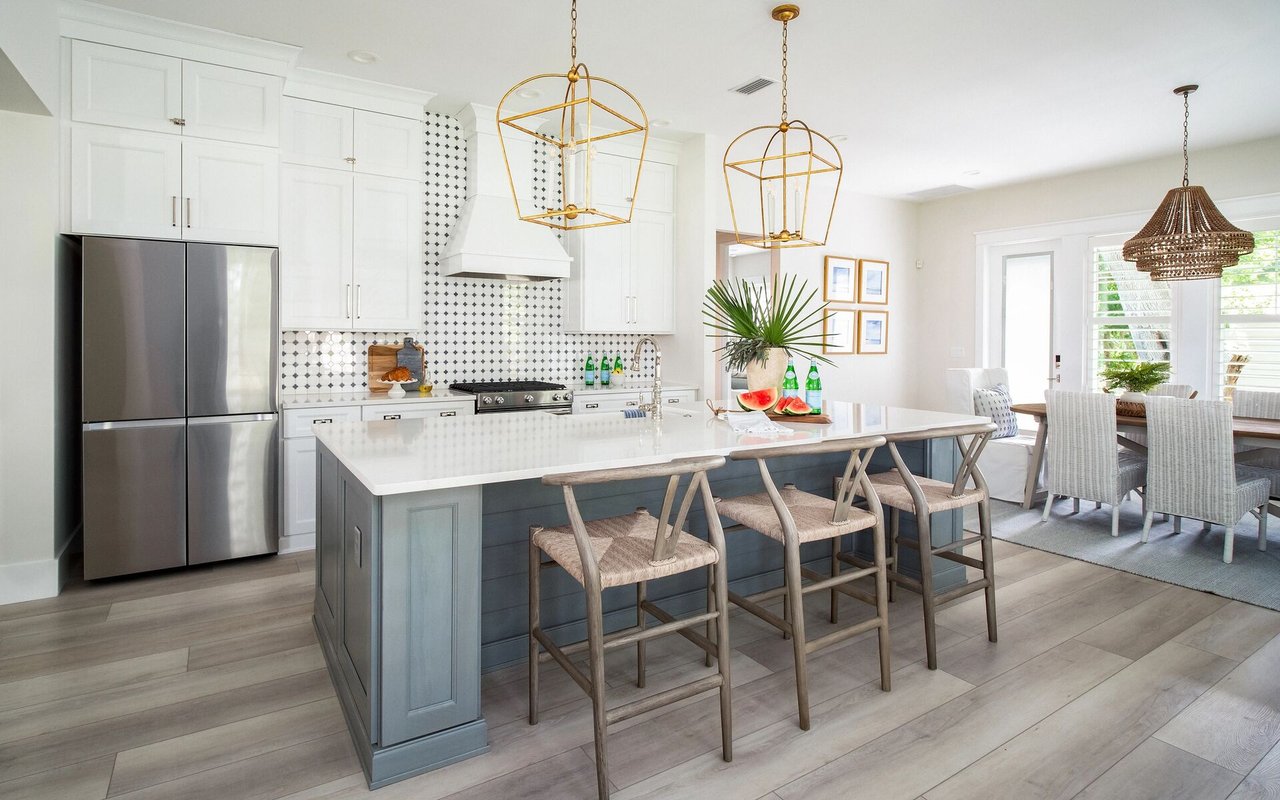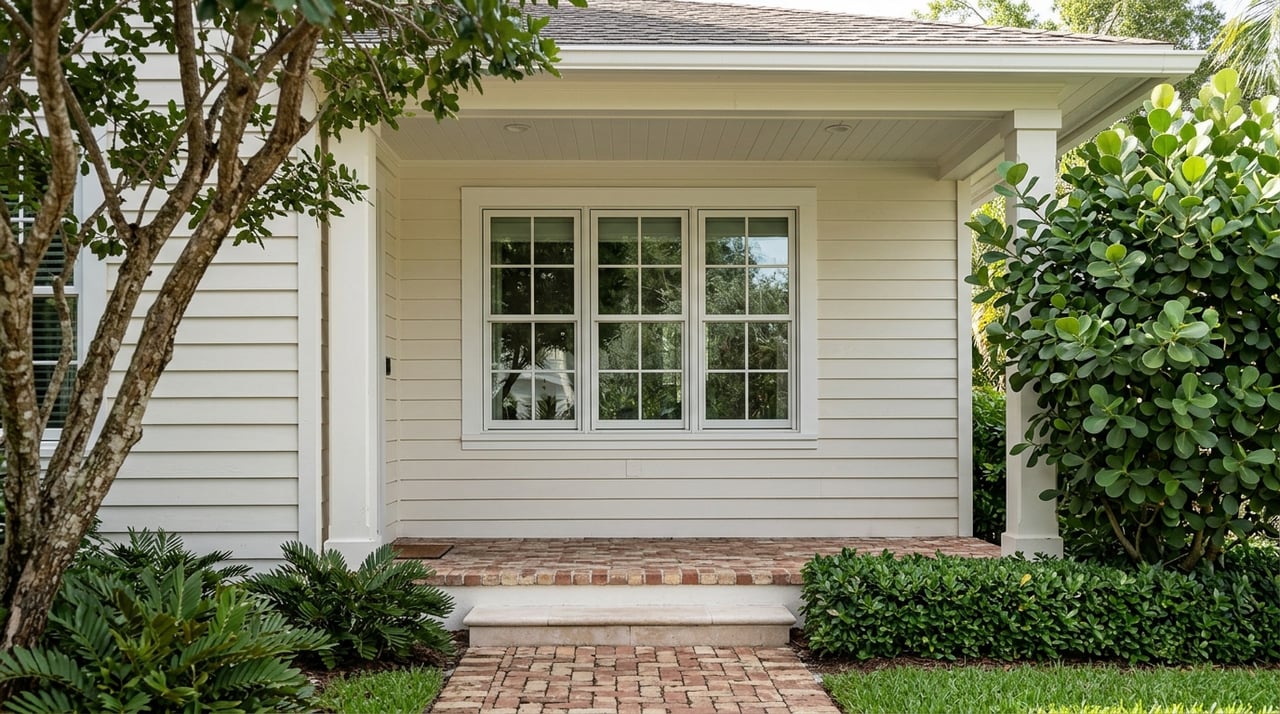
Wondering whether Stuart’s historic charm or a newer build is the better fit for your next move? It is a smart question, especially in a market where lifestyle, maintenance, flood considerations, and long-term flexibility can vary a lot from one home to the next. If you are weighing character against convenience, this guide will help you understand the real tradeoffs in Stuart so you can buy with more clarity and less guesswork. Let’s dive in.
Why Historic Stuart Feels So Distinct
Stuart’s historic appeal is not just a feeling. It is rooted in the city’s downtown core, where the Main Street area and Triangle/Potsdam area include a mix of civic, commercial, residential, educational, and religious buildings identified in the city’s 2023 historic survey.
The city has also described downtown Stuart as a place with distinctive architecture and a waterfront setting. In May 2026, the city said the proposed Downtown Stuart Historic District had already cleared the Florida National Register Review Board and was being forwarded to the National Park Service for final review.
Historic Homes Are Not One-Style Fits All
One of the biggest surprises for buyers is that Stuart’s historic housing stock is varied. The city survey identifies frame vernacular homes, bungalows, Mediterranean Revival and Spanish Eclectic designs, Mission-style details, plus some Mid-Century Modern and contemporary buildings.
That means “historic” in Stuart does not always mean the same look or layout. You may find wood framing, wood siding, porches, verandas, double-hung sash windows, stucco facades, tile roofs, and arched openings depending on the property.
The Downtown Lifestyle Is Part of the Appeal
For many buyers, the biggest draw is not just the house itself. It is the setting. Stuart Main Street describes Historic Downtown as a center for community life, and the city notes that the docks connect directly to the Riverwalk boardwalk, Flagler Park, restaurants, stores, and the tram stop.
There is also the weekly Market on Main at Flagler Park. If you want a home that places you close to the riverfront and the daily rhythm of downtown Stuart, historic areas often stand out.
What New Builds Offer in Stuart
New construction appeals to buyers who want a more current starting point. In the Stuart area, newer homes are generally built under the Florida Building Code, 8th Edition, which became effective on December 31, 2023.
That does not mean every new home is identical, but it does mean buyers are often looking at homes designed around current code requirements. For many people, that can bring more confidence around systems, documentation, and storm-related features.
Current-Code Features Matter
Martin County permit documents show that current-code homes are documented with details such as impact-resistant glass or approved shutters. The county’s impact-protection affidavit references those protections, and the county says shutter attachment is inspected at final inspection.
The window and door schedule also tracks impact protection and shutter status. If you are comparing older homes with newer ones, this kind of documentation can make due diligence more straightforward.
Flood Documentation Is a Big Part of the Picture
For properties in a Special Flood Hazard Area, Martin County requires the lowest finished floor of a new or substantially improved structure to be at least 1 foot above base flood elevation. In V Zones, homes must also be protected from waves, hurricane-force winds, and erosion, and the county requires both a V-zone design certificate and a finished-construction elevation certificate.
That can be a major benefit for buyers who want a clearer paper trail before closing. It can also affect insurance requirements, since Martin County says flood insurance is mandatory for structures in the Special Flood Hazard Area.
The Real Tradeoff: Character vs Convenience
This is usually where the decision becomes personal. Historic homes often win on charm, walkability, and a stronger sense of place. Newer homes often win on ease, current-code construction, and fewer immediate unknowns.
Neither choice is automatically better. The right fit depends on how you live, how much upkeep you are comfortable with, and how important architectural character is to your daily experience.
When Historic Homes Make Sense
Historic homes near downtown may be a better fit if you value:
- Walkability to downtown amenities
- Riverfront atmosphere and established surroundings
- Architectural character and original details
- A home that feels distinctive rather than standardized
For buyers who see a home as part of a lifestyle choice, these points can matter more than having the newest systems.
When New Builds Make Sense
Newer homes may be a better fit if you value:
- Construction tied to current building code
- More direct documentation for flood and storm-related features
- Potentially fewer repair surprises upfront
- A more predictable maintenance profile in the near term
This can be especially appealing if you are relocating, buying a second home, or want a more lock-and-leave setup.
What to Know About Maintenance and Permits
Older homes often come with more maintenance variables. Based on the older wood-frame and masonry building types in the city survey, plus Martin County permit categories, buyers should expect closer attention to reroofing, window replacements, hurricane shutters, siding or stucco work, kitchen and bath remodels, and termite or dry-rot repairs.
That does not mean a historic home is a problem property. It does mean your inspection and permit review matter even more.
Historic Rules Can Affect Your Plans
In Stuart, surveyed historic structures are treated as historic under the city’s Land Development Code. There is also a 30-day waiting period before a demolition permit can be issued for a historic structure.
It is also important to know that a National Register listing does not itself restrict private owners. Still, local preservation rules may affect demolition or exterior changes, so buyers should understand exactly how a property is classified before planning renovations.
The 50 Percent Rule Can Change Renovation Costs
If an older home in a flood zone is substantially damaged or substantially improved, Martin County may require it to be brought into compliance with current flood and building-code standards under the 50 percent rule. This can have a major impact on renovation budgets.
That is why phased-update plans should be reviewed carefully. A buyer may assume they can renovate gradually, but flood-zone compliance rules can change the math.
HOA and Development Factors in Newer Areas
Newer neighborhoods can feel simpler at first glance, but they come with their own due diligence. Martin County says its Urban Service District sets the boundary for land suitable for urban development, while future land use and zoning control what can be built, how dense it can be, and how it is arranged.
Private associations can add another layer. HOA or POA rules may affect shutters, exterior colors, fencing, parking, or rentals, and Martin County does not enforce private deed restrictions.
Shutter Rules Are Not Always Simple
Martin County says there is currently no state legislation or county ordinance governing hurricane shutter installation and removal, but association rules may still apply. The county also advises homeowners to plan for emergency egress when shutters are installed.
So even in a newer home, it is worth reviewing both the county file and any association rules before you close.
Questions to Ask Before You Buy
The fastest way to avoid surprises is to ask targeted questions early.
Questions for a Historic Home
Ask your agent and inspector:
- Is the property a city historic structure, inside the downtown district, or both?
- Does the 30-day demolition waiting period affect any future plans?
- Are permits closed for the roof, windows, shutters, siding, additions, or kitchen and bath work?
- What original materials remain?
- Should the inspection focus more closely on roof condition, moisture intrusion, exterior walls, or hurricane protection?
Questions for a New Build
Ask your agent and builder or seller:
- What is the property’s flood-zone status?
- Can you review the elevation certificate before closing?
- If applicable, are V-zone or floodproofing documents available?
- Does the permit file include a window and door schedule?
- Is there an impact-protection affidavit showing impact glass or approved shutters?
- Which HOA or POA rules affect exterior changes, parking, or rentals?
How to Choose the Right Fit for You
If you picture yourself walking to downtown Stuart, enjoying the riverfront setting, and living in a home with architectural personality, a historic property may be the right move. If you prefer current-code features, more standardized documentation, and fewer unknowns upfront, a newer build may give you more peace of mind.
The key is not choosing what sounds best in theory. It is choosing the home style that matches your budget, risk tolerance, maintenance preferences, and lifestyle goals.
A well-guided search can make that decision much easier. If you want experienced, high-touch guidance as you compare Stuart homes and weigh the details that matter most, connect with Kristen Danzig and Amanda Caracuzzo. Find it. Love it. Own it.
FAQs
What makes historic homes in Stuart different from newer homes?
- Historic homes in Stuart often offer more architectural variety, original design details, and proximity to downtown amenities, while newer homes typically offer current-code construction, clearer storm-protection documentation, and a more predictable maintenance profile.
What is the historic area in downtown Stuart known for?
- Downtown Stuart is known for its historic commercial and civic core, waterfront setting, varied architecture, Riverwalk access, Flagler Park, shops, restaurants, and community events such as the weekly Market on Main.
What should you check before buying a historic home in Stuart?
- You should check whether the property is treated as a historic structure by the city, whether permit records are closed for major work, what original materials remain, and whether inspection items such as roof condition, moisture intrusion, exterior walls, and hurricane protection need special attention.
What flood documents should you review for a new build in Stuart?
- For a newer home, you should review the flood-zone status, elevation certificate, and, if applicable, any V-zone design or floodproofing documents before closing.
Can HOA rules affect newer homes in Stuart?
- Yes. In newer neighborhoods, HOA or POA rules may affect shutters, exterior colors, fencing, parking, or rentals, and those private restrictions are separate from county enforcement.
Is a National Register listing the same as local historic regulation in Stuart?
- No. A National Register listing does not itself restrict private owners, but local preservation rules may still affect demolition or exterior changes for historic properties in Stuart.